
Pipe Relining Repairs Hawthorn Drains Without Digging
A cracked or root-choked drain under the garden or driveway can often be repaired from inside. Relining is the option to hear about before anyone brings a digger.
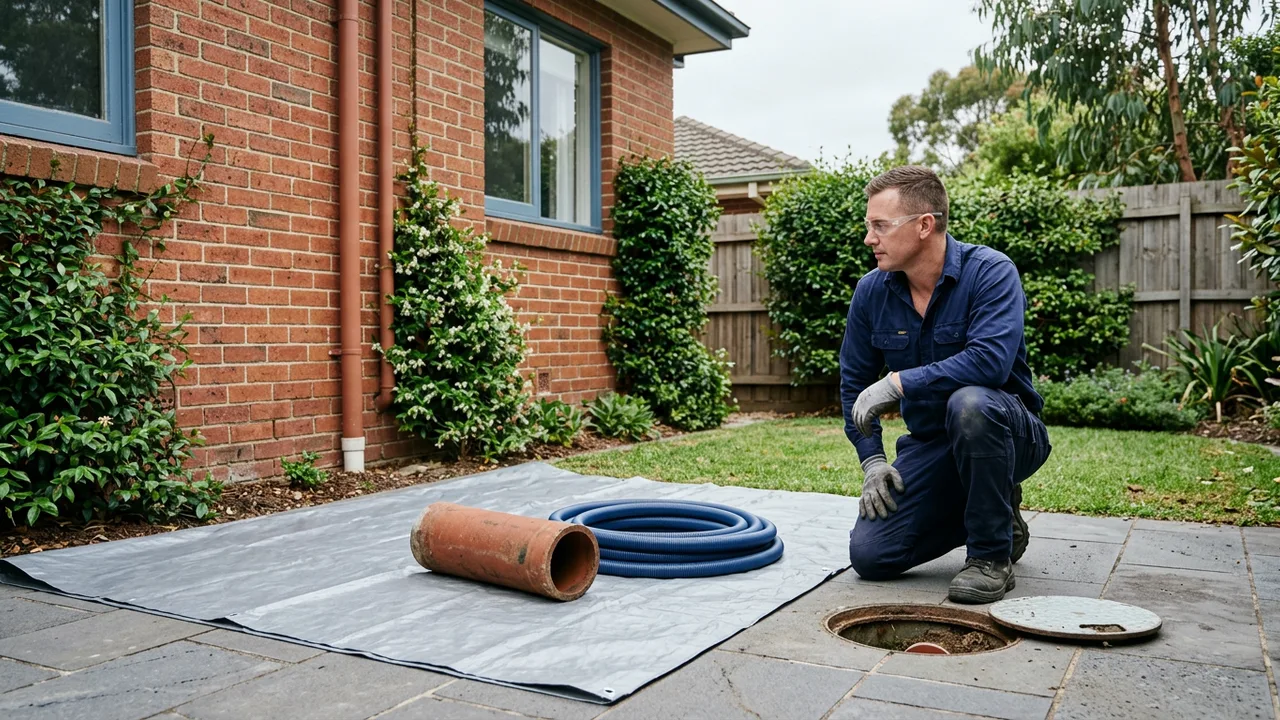
Pipe relining in Hawthorn repairs a cracked or root-damaged drain from the inside, so the garden, path or driveway above it stays where it is. A resin-soaked liner goes into the old pipe and hardens into a new, smooth pipe within it. If your drain keeps blocking and clearing it only buys a few weeks, relining may be the fix that finally holds.
How pipe relining in Hawthorn fixes a cracked drain from inside
Relining is a trenchless repair. Instead of opening the ground along the pipe, the plumber works from an existing access point such as an inspection opening or a cleared end of the drain.
A flexible liner soaked in resin is drawn through the damaged section, pressed out against the old pipe wall and left to harden. The result is a pipe inside a pipe. The cracks and open joints that let roots and water in are covered by a continuous inner surface.
A Hawthorn period home with an old clay or earthenware drain running under a mature front garden, a path or a concrete drive is the classic case for this. Lining the pipe can mean the difference between a repair and a renovation of the yard.
What the job involves from camera to finished drain
The work starts with a look inside. A camera shows the cracks, the roots and any sags, and it settles whether relining suits the pipe at all.
Next comes cleaning. Roots are cut back and debris flushed out, because a liner laid over scale or root fragments will not sit flat. After that the liner goes in and is cured, which means the resin is left to set hard inside the pipe.
A final camera run shows the new surface and how the water now flows.
A blocked drain in Hawthorn that keeps returning: relining or digging?
A blocked drain that clears and then returns within weeks is often telling you the pipe itself is damaged. Snaking or jetting removes the blockage but does nothing for the crack or open joint that caused it.
Relining suits a pipe that is cracked, root-invaded or worn but still sitting in its original line. It spares the paving, the established plants and the ground around the pipe.
Digging is the better answer where a pipe has collapsed, dropped out of line or is crushed. A liner needs a pipe to follow, so those sections are dug out and replaced. The camera picture is what tells the two cases apart.
What drives the cost of pipe relining
Cost follows the work in the pipe, not the size of the yard. The length of the damaged run, the pipe diameter, how much root cutting is needed and how easy it is to reach the drain all count.
Lining one cracked joint is a smaller job than lining a full run from the house to the street connection, so a patch costs less than a full-length liner. The camera shows which one your drain needs.
You hear a price before any work starts, covering what is to be done to the drain. It also helps to weigh relining against the alternative properly. A dug repair can add the cost of breaking up and reinstating paths, driveways and gardens on top of the plumbing itself.
Compliance certificates and what to ask before hiring
In Victoria, building, installing or altering a below-ground sanitary drain or its gullies requires a compliance certificate. Once the work is finished, a licensed plumber has five days to hand that certificate to you and to lodge it with the Building and Plumbing Commission.
When you speak to a plumber, it is worth hearing how they will confirm the cause, whether they use a camera before and after, and whether the job needs a certificate. Plumbers who work on period homes with old clay and earthenware drains will already know the usual trouble spots.
Mistakes that bring the blockage back
Pouring in drain cleaner again and again is one. Harsh chemicals do not fix a cracked pipe or roots, and they can sit in a damaged section.
A second is clearing the same drain every few weeks without ever looking inside it. If it reblocks, the cause is still there.
A third is agreeing to a dig before the pipe has been filmed. A camera costs far less than a trench, and it may show that the damage can be lined instead.
If your drain overflows, gurgles or smells of sewage, tell the plumber what it does and where. That detail helps point to the section that is failing.
How it works
-
Camera inspection
A camera is fed through the drain to find the cracks, roots or damaged joints and to show where the pipe runs under your property.
-
Clearing the pipe
Roots and debris are cut and flushed out so the pipe wall is clean enough for the liner to grip.
-
Fitting the liner
A resin-soaked liner is drawn into the pipe through an existing access point and pressed against the old wall.
-
Curing and a final look
The resin hardens inside the pipe, and a second camera run shows the finished surface and the flow.
Scope in detail
- Cracked clay and earthenware pipes Period homes often have old clay drains with joints that have opened or cracked, and a liner seals them from within.
- Tree root intrusion Roots push into joints looking for water. Once they are cut out, a liner closes the gap so they cannot return the same way.
- Drains under paths and driveways Reaching these by trench means breaking up concrete or pavers, which is the cost relining is designed to avoid.
- Repeat blockages with no clear cause A camera can show whether a rough, cracked or sagging section is catching waste again and again.
- Ageing pipe that is wearing thin A liner restores a sound pipe wall where the original has deteriorated but is still in line.
No-dig pipe relining options
- Camera inspection before relining A camera runs through the drain to show the cracks, roots or wear, so the repair is chosen from what is actually down there.
- Root cutting and pipe cleaning Roots, scale and build-up are cleared from the pipe wall so the liner can bond properly.
- Full-length and patch relining A liner can cover a whole run or only a damaged section, depending on what the camera shows.
- Excavation and drain repairs Where a pipe has collapsed or moved out of line, a dug repair of that section is the honest answer.
No-dig pipe relining across Hawthorn
Frequently Asked Questions
How long does pipe relining in Hawthorn take?
Does a cracked drain in Hawthorn always have to be dug up?
What is drain relining?
Get it priced
Drain backing up or overflowing? Get it cleared before the water damage spreads.
Share what is happening and we will help you get the right next step moving.